- Pod English Course

Dance Boosts Your Brain for Better English Learning
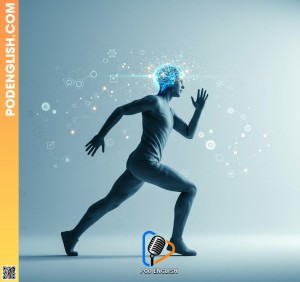
Engaging in dance can significantly enhance brain function. This cognitive boost offers notable advantages for individuals focused on acquiring English language skills. Physical movement through dance supports better memory retention and concentration, key elements for effective language learning. By stimulating the brain, dance provides a unique way to potentially improve your English learning journey.
Section 1: Introduction: Unlocking the Potential of Dance for Learning
Welcome to an exploration of a fascinating connection: the link between movement and learning. While dance is often seen purely as an art form or physical exercise, it is also a powerful activity that engages various parts of the brain simultaneously. This document delves into how the dynamic nature of dance can unlock potential benefits for cognitive function and energy levels. Specifically, we will discover how incorporating dance into your routine might provide a unique advantage in your journey to master the English language. Get ready to see how moving your body can also help sharpen your mind for better learning outcomes.
Section 2: The Science Behind the Steps: How Dance Benefits Your Brain
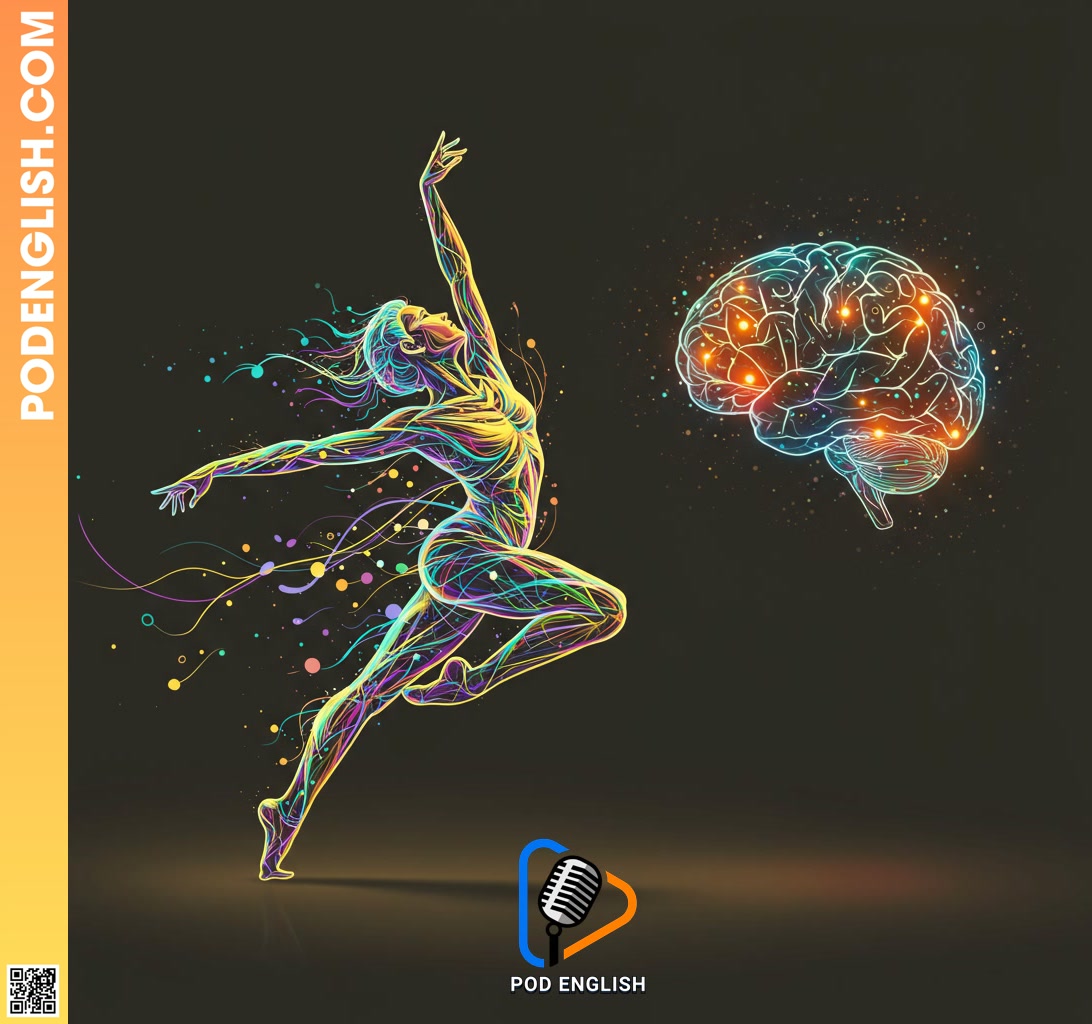
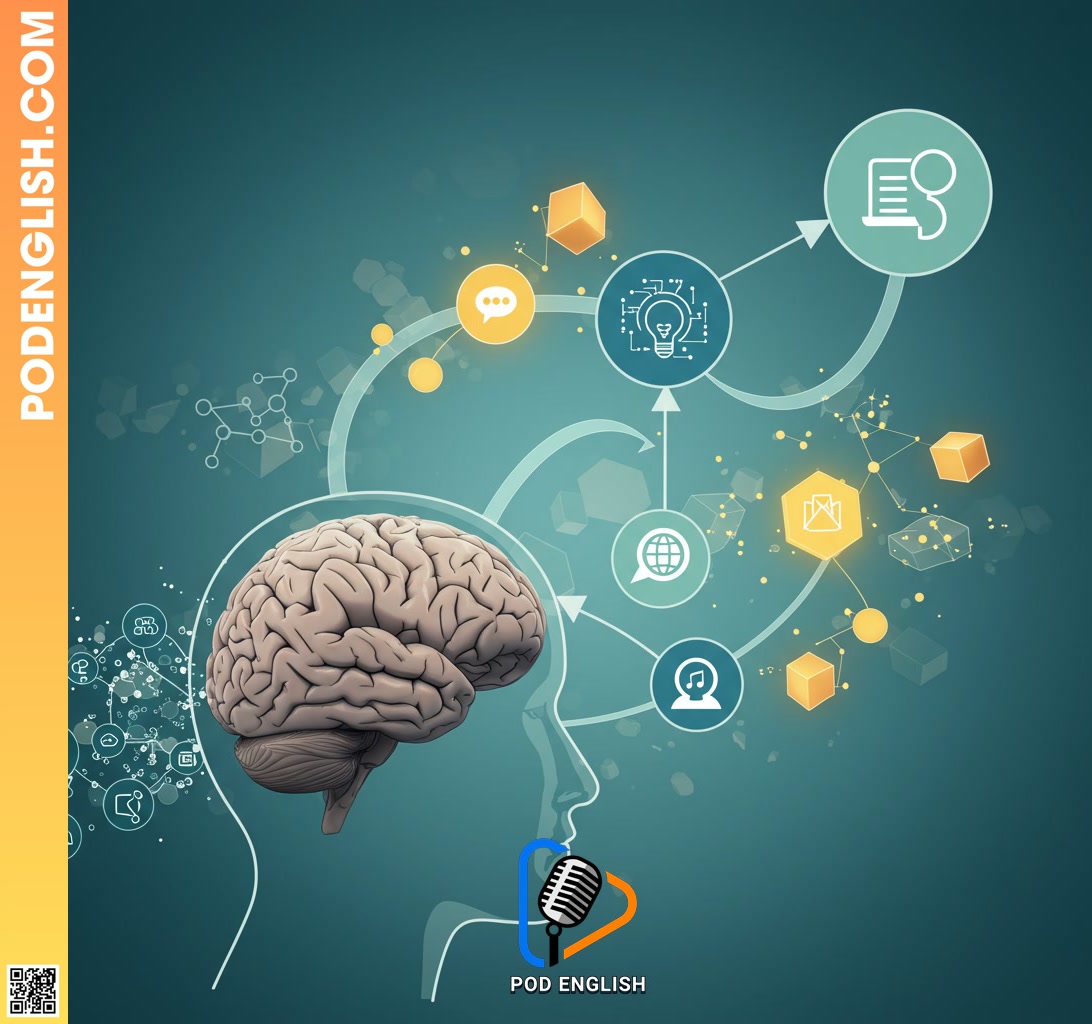
Moving beyond just physical exercise, dance is a dynamic activity that deeply engages the brain. When you dance, you're not only coordinating your body but also processing rhythm, spatial patterns, and sequences of steps. This complex cognitive load stimulates multiple brain regions simultaneously, including areas responsible for memory, planning, and motor control. The physical movement itself increases blood flow to the brain, providing essential oxygen and nutrients that support neural health and function. Regular dancing encourages the creation of new neural pathways, enhancing cognitive flexibility and processing speed. This improved brain connectivity and function directly contribute to better concentration and memory retention, crucial aspects for effectively absorbing and recalling new English vocabulary and grammar rules.
Section 3: Bridging the Gap: Connecting Cognitive Boosts to English Learning
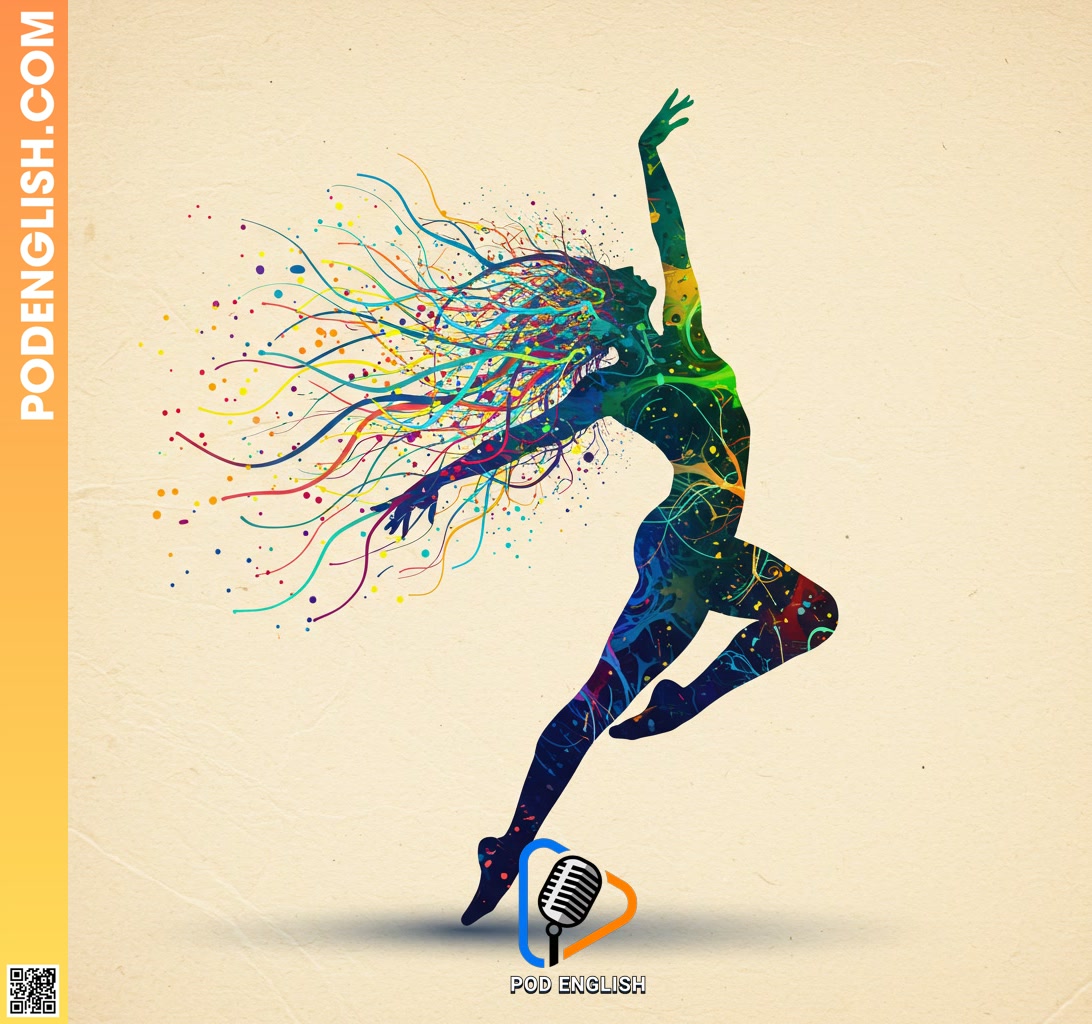
Building on the idea that dance deeply engages your brain by processing rhythm and spatial patterns, this cognitive workout has direct benefits for learning English. When your brain is stimulated and active through dance, its capacity for memory retention and focus improves significantly. These are critical skills for language acquisition. Remembering new vocabulary, understanding complex sentence structures, and maintaining concentration during listening exercises all become easier when your cognitive functions are sharper. Therefore, the mental boost you get from dancing doesn't just stay on the dance floor; it creates a stronger foundation in your brain, making the process of learning English potentially more efficient and enjoyable.
Section 4: Practical Applications: Integrating Dance into Your English Study Routine
Building on the idea that dance deeply engages your brain by processing rhythm and spatial patterns, this cognitive workout has direct benefits for learning English. When your brain is stimulated and energized, it's more receptive to new information. Practical applications are straightforward: try dancing to English songs to improve listening skills and rhythm comprehension. Incorporate movement during vocabulary review by associating gestures with words. Take short, energetic dance breaks between study sessions to refresh your focus and boost energy levels. Think of dance not just as exercise, but as a tool to make your English learning more dynamic, enjoyable, and effective, helping you retain information and build confidence in using the language.
Section 5: Beyond the Classroom: Real-World Examples and Success Stories
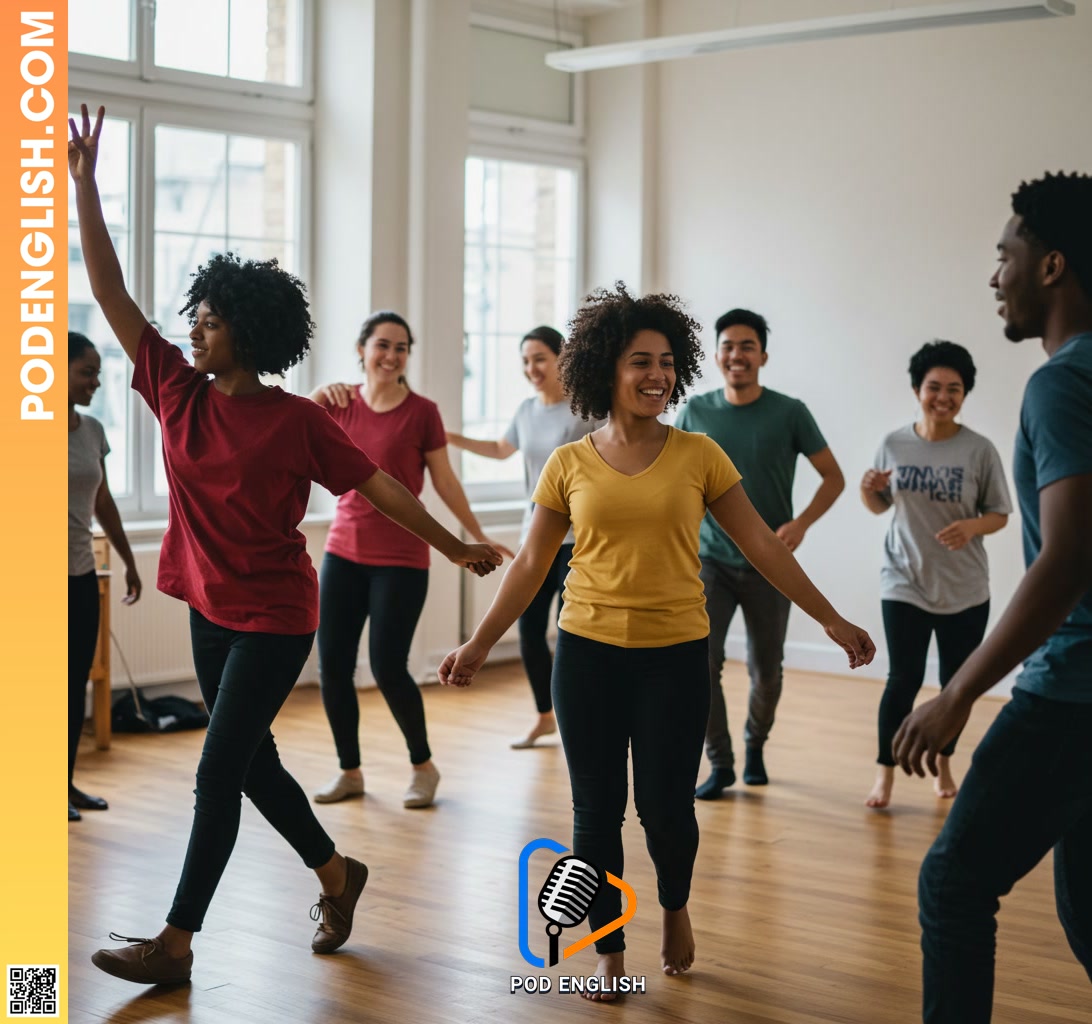
Moving beyond theoretical benefits, the impact of dance on English learning is evident in real-world scenarios. Consider individuals who have used dance classes or social dancing not just for physical fitness, but as a low-pressure environment to practice speaking and listening. The rhythm and repetition inherent in many dance forms can surprisingly reinforce the memorization of vocabulary and sentence structures. Furthermore, the increased confidence gained from mastering dance steps often translates into greater willingness to speak English and engage with others outside the classroom. Success stories often highlight how improved focus and energy levels, direct results of regular physical activity like dance, make dedicated English study sessions more productive, demonstrating a tangible link between physical movement and enhanced language acquisition.
Section 6: Conclusion: Moving Towards Fluency with the Power of Dance
Building upon the real-world examples discussed, it's clear that the benefits of incorporating dance into your routine extend significantly to your English learning journey. By engaging your body in rhythmic movement, you actively stimulate brain areas crucial for memory retention and concentration – vital components for mastering a new language. Dance provides a dynamic and enjoyable pathway to enhance cognitive agility. Ultimately, embracing the power of dance is not just about physical activity; it's a practical strategy for boosting your brain's capacity, making the process of acquiring English skills more effective and helping you confidently move closer towards achieving fluency.

Video Youtube
Thảo luận
Related news
- Unlock Faster English Learning with Physical Activity Breaks (21:59:06 - 21/12/2025)
- Boost Your English Memory and Focus by Snacking on Nuts (21:59:01 - 21/12/2025)
- Boost Your English Learning Focus with Green Tea (21:58:56 - 21/12/2025)
- Boost Your Brain Essential Vitamins for Learning English (21:58:51 - 21/12/2025)
- Unlock English Learning with Modern Technology (21:58:42 - 21/12/2025)
- How Great Teachers Transform English Learning Experiences (21:58:38 - 21/12/2025)
- Study Abroad: Boost English Skills and Broaden Education (21:58:33 - 21/12/2025)
- STEM Education Fuels Global Innovation (21:58:28 - 21/12/2025)
- Sports Build Discipline Teamwork and Boost English Skills (21:58:23 - 21/12/2025)
- Boost Mental Health Learn English With Social Connections (21:58:18 - 21/12/2025)
You might be interested


LEARNING TIP
- Boost Your English Memory
- Diet Secrets for English Learners
- Walking Boosts Memory
- Master Effective Study Habits
- Sharpen Your Mind
- Fuel Your English Study
- How to Stay Motivated to Study English

- Learn English: Speak Like a Native
- Level Up Your English
- Learn English the Fun Way
- Improve Your English Voca and Wri
- Learn English: Unlock Your Voice
- 10 Smart Daily Tips - Improve English
- Transform Your English Skills
- Daily English Warm-Ups
Customer Reviews
Ms. Mai Anh- Vietnamese
 It's very easy to understand.

Vietnamese
Ms.Thi- Housewife
I feel better

Housewife
Ms. Visvamuthu- India
I'm here to learn English every day.

India