

- Pod English Course

How Exercise Helps English Learners Study Better
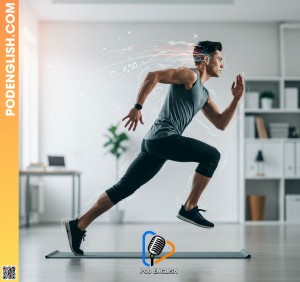
Exercise can significantly benefit individuals engaged in the process of learning English. Physical activity is shown to improve cognitive functions essential for language acquisition, such as memory and concentration. Regular exercise can enhance brain plasticity and reduce stress, creating a more favorable environment for language study. Integrating exercise into a routine can therefore lead to more effective and efficient English learning.
Section 1: Introduction: The Connection Between Physical Activity and Cognitive Performance
It is increasingly understood that maintaining physical health is closely linked to optimal brain function. Engaging in regular physical activity is not merely beneficial for the body; it also has profound effects on our cognitive abilities. Exercise enhances blood circulation, delivering more oxygen and nutrients to the brain, and stimulates the release of neurochemicals that support brain health and function. This improved environment within the brain supports crucial cognitive processes such as attention, memory, and problem-solving. Understanding this fundamental connection between physical activity and cognitive performance provides a basis for exploring how integrating exercise can positively impact complex learning tasks, including the process of acquiring a new language like English.

Section 2: How Exercise Boosts Brain Function Relevant to Learning
Building on the idea that physical health supports brain health, regular exercise directly improves cognitive functions vital for learning, including English. When you exercise, blood flow to your brain increases, delivering more oxygen and nutrients essential for brain cell health. This physical activity also stimulates the release of important chemicals, like brain-derived neurotrophic factor (BDNF), which acts like fertilizer for your brain, promoting the growth of new neurons and strengthening connections between them. This enhanced neural connectivity and growth are crucial for improving memory retention, sharpening focus and attention, and speeding up information processing – all key skills needed to absorb new vocabulary, understand complex grammar, and follow conversations in English effectively. Integrating exercise into your routine creates a more robust and responsive brain, making the learning process smoother and more efficient.

Section 3: Specific Benefits of Exercise for English Language Acquisition
Building on the idea that physical health supports brain health, regular exercise directly improves cognitive functions vital for learning, including English. When you exercise, blood flow to your brain increases, delivering more oxygen and nutrients. This enhanced circulation boosts memory retention, helping you remember new vocabulary and grammar rules more effectively. Exercise also sharpens concentration, making it easier to focus during study sessions and understand complex sentences. Furthermore, physical activity is a powerful stress reducer. By lowering stress levels, exercise helps clear your mind and creates a more relaxed state, which is optimal for absorbing and processing new information in English. This makes the learning process smoother and more efficient.

Section 4: Improving Memory and Retention of English Vocabulary and Grammar
Building on the idea that physical health supports brain health, regular exercise directly improves cognitive functions vital for learning, including English. When you exercise, blood flow to your brain increases significantly, delivering more oxygen and essential nutrients. This enhanced circulation is particularly beneficial for areas involved in memory formation and storage, such as the hippocampus. Furthermore, physical activity triggers the release of brain-derived neurotrophic factor (BDNF), often called "brain fertilizer." BDNF promotes the growth of new brain cells and strengthens the connections between existing ones, a process crucial for learning and consolidating new information. This means that consistent exercise helps you more effectively encode and retrieve new English vocabulary, grammar rules, and phrases. It strengthens your memory traces, making recall faster and more accurate, ultimately boosting your retention of linguistic material.

Section 5: Enhancing Focus and Concentration During English Study Sessions
Building on the idea that physical health supports brain health, regular exercise directly improves cognitive functions vital for learning, including English. When you exercise, blood flow to your brain increases, delivering more oxygen and nutrients. This enhanced circulation is key to improving your ability to concentrate and maintain focus, especially during extended English study sessions. By boosting these cognitive abilities, exercise helps you absorb complex grammar rules, retain new vocabulary, and stay engaged with reading or listening materials without getting easily distracted. Integrating physical activity into your routine effectively prepares your brain for learning, making your study time more productive and efficient.

Section 6: Practical Ways English Learners Can Incorporate Exercise into Their Routine
To effectively integrate exercise into your English learning routine, start by identifying simple activities you can do regularly. This doesn't mean hitting the gym for hours; even short bursts of movement can be beneficial. Consider taking a brisk 10-minute walk during a study break, doing simple stretches at your desk, or incorporating a quick 15-minute workout session before you begin studying. Breaking up long study periods with physical activity helps reduce sedentary time and re-energizes your brain. Consistency is more important than intensity, so find activities you enjoy and can easily fit into your schedule, ensuring you reap the cognitive benefits discussed earlier to enhance your language acquisition journey.

Section 7: Conclusion: Maximizing Your English Learning Potential Through Movement
In conclusion, integrating physical activity into your routine is a powerful strategy to boost your English learning. As we've explored, movement significantly enhances cognitive functions vital for language acquisition, such as memory, concentration, and reducing stress. By consistently incorporating even simple exercises, you're not just improving your physical health but actively creating a more receptive environment for your brain to absorb and process new English information. This synergy between mind and body helps you overcome study plateaus and truly maximize your potential as an English learner. Make movement a regular part of your study strategy, and you will likely see significant progress in your language skills.

Video Youtube
Thảo luận
Related news
- Unlock Faster English Learning with Physical Activity Breaks (21:59:06 - 21/12/2025)
- Boost Your English Memory and Focus by Snacking on Nuts (21:59:01 - 21/12/2025)
- Boost Your English Learning Focus with Green Tea (21:58:56 - 21/12/2025)
- Boost Your Brain Essential Vitamins for Learning English (21:58:51 - 21/12/2025)
- Unlock English Learning with Modern Technology (21:58:42 - 21/12/2025)
- How Great Teachers Transform English Learning Experiences (21:58:38 - 21/12/2025)
- Study Abroad: Boost English Skills and Broaden Education (21:58:33 - 21/12/2025)
- STEM Education Fuels Global Innovation (21:58:28 - 21/12/2025)
- Sports Build Discipline Teamwork and Boost English Skills (21:58:23 - 21/12/2025)
- Boost Mental Health Learn English With Social Connections (21:58:18 - 21/12/2025)
You might be interested



LEARNING TIP
- Boost Your English Memory
- Diet Secrets for English Learners
- Walking Boosts Memory
- Master Effective Study Habits
- Sharpen Your Mind
- Fuel Your English Study
- How to Stay Motivated to Study English

- Learn English: Speak Like a Native
- Level Up Your English
- Learn English the Fun Way
- Improve Your English Voca and Wri
- Learn English: Unlock Your Voice
- 10 Smart Daily Tips - Improve English
- Transform Your English Skills
- Daily English Warm-Ups
Customer Reviews
Ms. Mai Anh- Vietnamese
 It's very easy to understand.

Vietnamese
Ms.Thi- Housewife
I feel better

Housewife
Ms. Visvamuthu- India
I'm here to learn English every day.

India