

- Pod English Course

Learn English: 7 Essential Idioms for Boosting Daily Conversation Skills
This content focuses on improving English conversation abilities. It introduces seven key idioms that can enhance daily communication. By incorporating these expressions, learners can sound more natural and fluent. This resource aims to provide practical tools for boosting spoken English skills.
Section 1: Why Idioms Enhance Daily English Conversation
Idioms are fixed expressions whose meaning isn't always clear from the individual words alone. Learning and using them is essential for English learners because they significantly enhance the naturalness and fluency of your daily conversations. Native speakers frequently use idioms, so incorporating them helps you sound more authentic and understand spoken English better, especially in casual or rapid exchanges. Using idioms adds colour, expressiveness, and conciseness to your language, allowing you to communicate more effectively and with greater nuance. Mastering idioms boosts your confidence and enables you to participate more fully in real-world English interactions.
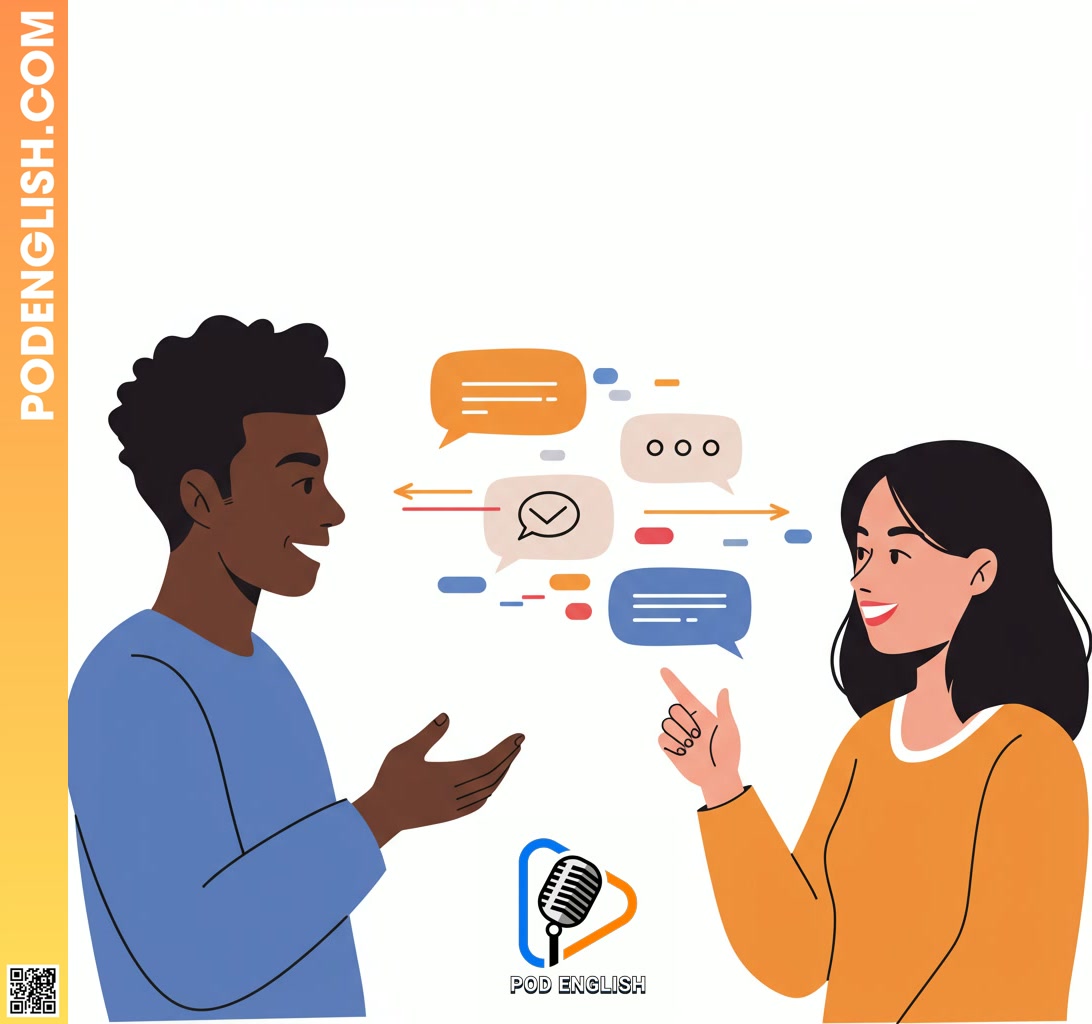
Section 2: The First Few Essential Idioms Explained
Building upon the introduction to idioms, this section focuses on the first few essential expressions you can learn to significantly enhance your daily English conversations. We'll break down their meanings, which are often different from the literal interpretation of the individual words, and provide clear examples of how to use them correctly in sentences. Understanding these initial idioms is a crucial step towards sounding more natural and fluent, allowing you to grasp and use common phrases that native speakers use regularly. Let's dive into these first few examples to see how they work and how you can start incorporating them into your own speaking practice.

Section 3: More Key Idioms for Everyday Use
Building on the foundation from the previous section, we now introduce several more key idioms that are incredibly useful for enhancing your daily English conversations. While the first examples provided a solid starting point, the expressions covered here will further expand your ability to sound natural and fluent. Incorporating these additional idioms allows you to express nuanced meanings more effectively and connect with native speakers on a deeper level. By dedicating time to learning and practicing these phrases, you'll find your spoken English becoming richer, more idiomatic, and significantly more confident in everyday situations. Let's explore these valuable additions to your vocabulary.

Section 4: Tips for Naturally Using Idioms in Conversation
Now that you have learned some essential idioms, the next step is using them confidently and naturally in your conversations. Simply knowing an idiom isn't enough; practice is key. Start by listening for these expressions when native speakers talk or when you watch English media. Try to understand the context where they fit best. Then, begin incorporating them gradually into your own speech. Don't be afraid to make mistakes; it's a normal part of the learning process. Choose situations where you feel comfortable practicing, perhaps with a language partner or during informal chats. The goal is for these idioms to become a natural part of your vocabulary, flowing smoothly without sounding forced.

Section 5: Putting It Into Practice: Exercises and Examples
Now that you've started listening for the idioms and understanding their meanings, the next crucial step is actively using them yourself. This section is dedicated to practical ways you can integrate these seven essential idioms into your daily English communication. We'll explore various exercises and provide examples to help you move from recognition to confident application. Try writing your own sentences using each idiom in different contexts. Practice saying them aloud to get comfortable with the pronunciation and flow. Seek opportunities to use them in real conversations with friends, language partners, or in class. Remember, the goal is to make these expressions feel natural, and consistent practice is the most effective way to achieve this.
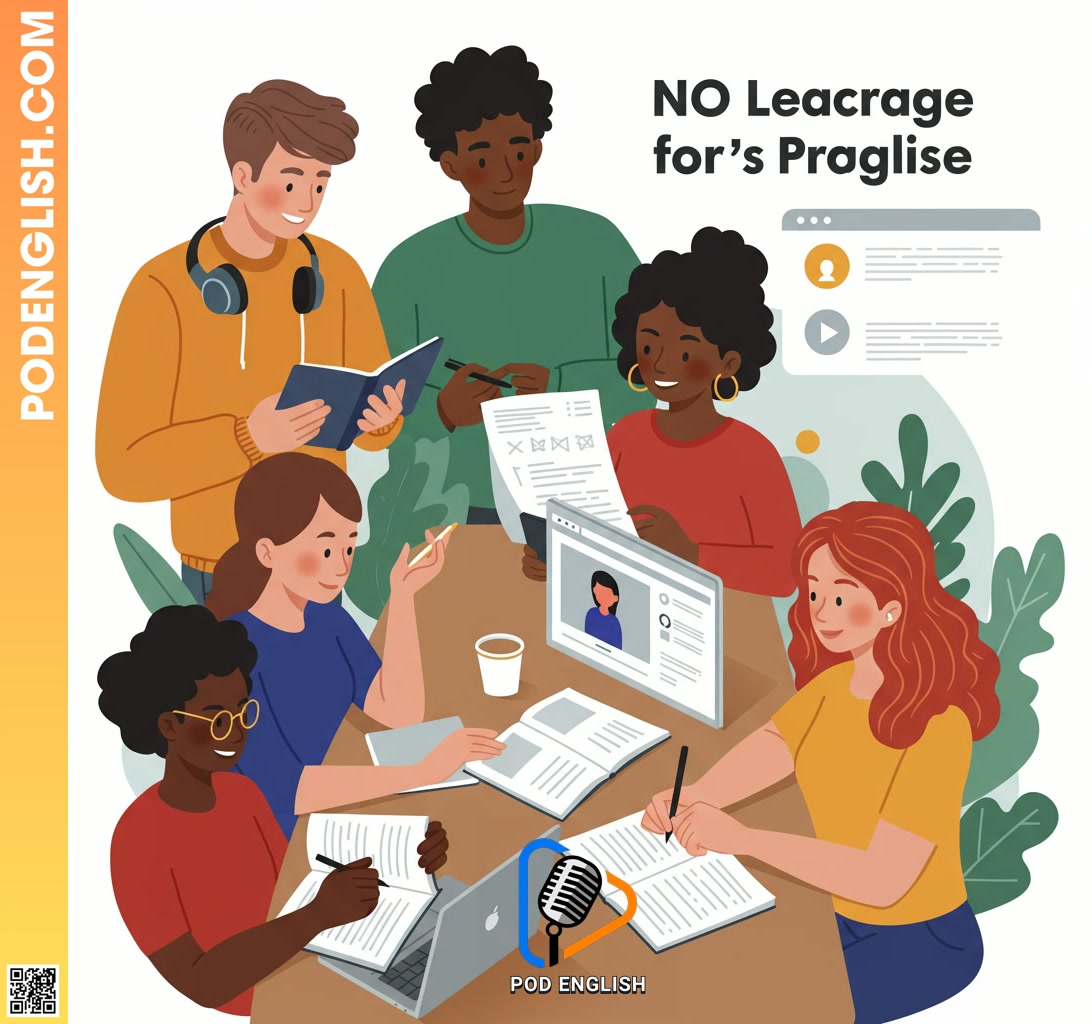
Section 6: Beyond the 7: Continuing Your Idiom Journey
Now that you've practiced using the initial seven idioms, remember that mastering English fluency is a continuous journey. These seven expressions are just the starting point in the vast and colorful world of idioms. To truly sound like a native speaker, you need to keep exploring and expanding your repertoire. Make it a habit to actively listen for new idioms in conversations, podcasts, movies, and TV shows. When you encounter one you don't know, look it up and try to understand its context. Don't be afraid to gradually incorporate new idioms into your own speaking. The more you expose yourself to authentic English and practice using these unique phrases, the more natural and confident your conversation skills will become. Keep learning, keep practicing, and enjoy discovering the richness of the English language beyond these initial seven.

Section 7: Conclusion: Mastering Conversation with Idioms
As you conclude this guide, remember that the seven idioms introduced are powerful tools to begin enhancing your daily English conversations. Think of them not as isolated phrases, but as building blocks that add color and naturalness to your speech. Integrating these expressions requires practice and mindful application in real-life interactions. Mastering conversation is an ongoing process, and by consciously using these idioms, you are taking a significant step towards sounding more like a native speaker and feeling more confident in expressing yourself. Keep exploring new idioms and phrasal verbs to continue enriching your English fluency.

Video Youtube
Thảo luận
Related news
- Unlock Faster English Learning with Physical Activity Breaks (21:59:06 - 21/12/2025)
- Boost Your English Memory and Focus by Snacking on Nuts (21:59:01 - 21/12/2025)
- Boost Your English Learning Focus with Green Tea (21:58:56 - 21/12/2025)
- Boost Your Brain Essential Vitamins for Learning English (21:58:51 - 21/12/2025)
- Unlock English Learning with Modern Technology (21:58:42 - 21/12/2025)
- How Great Teachers Transform English Learning Experiences (21:58:38 - 21/12/2025)
- Study Abroad: Boost English Skills and Broaden Education (21:58:33 - 21/12/2025)
- STEM Education Fuels Global Innovation (21:58:28 - 21/12/2025)
- Sports Build Discipline Teamwork and Boost English Skills (21:58:23 - 21/12/2025)
- Boost Mental Health Learn English With Social Connections (21:58:18 - 21/12/2025)
You might be interested




LEARNING TIP
- Boost Your English Memory
- Diet Secrets for English Learners
- Walking Boosts Memory
- Master Effective Study Habits
- Sharpen Your Mind
- Fuel Your English Study
- How to Stay Motivated to Study English

- Learn English: Speak Like a Native
- Level Up Your English
- Learn English the Fun Way
- Improve Your English Voca and Wri
- Learn English: Unlock Your Voice
- 10 Smart Daily Tips - Improve English
- Transform Your English Skills
- Daily English Warm-Ups
Customer Reviews
Ms. Mai Anh- Vietnamese
 It's very easy to understand.

Vietnamese
Ms.Thi- Housewife
I feel better

Housewife
Ms. Visvamuthu- India
I'm here to learn English every day.

India