

- Pod English Course

Master Essential English Terms for Finance Success
This content is designed to help individuals enhance their English language skills specifically for the finance industry. It focuses on introducing and explaining the essential vocabulary and terminology crucial for effective communication and understanding within financial contexts. By mastering these key English terms, learners can significantly improve their ability to succeed in professional finance environments and navigate the complexities of the field.
Section 1: The Indispensable Role of English in Global Finance
In today's interconnected world, finance is a truly global industry. Money flows across borders constantly, and financial institutions operate internationally. This global nature makes English the indispensable language of communication. Whether you're working on a deal with partners in different countries, analyzing reports from international markets, attending global conferences, or simply accessing the vast amount of financial information available online, English is the common language that facilitates understanding and collaboration. Mastering English vocabulary and concepts specific to finance is not just beneficial; it's essential for navigating this complex global landscape, building relationships, and achieving professional success in the field.

Section 2: Core Vocabulary: Essential English Terms for Finance Fundamentals
Building upon the understanding that English is crucial in the global financial arena, this section dives into the very foundation of financial literacy: core vocabulary. Mastering these essential terms is the first vital step in comprehending any financial discussion, document, or concept in English. We will explore fundamental words and phrases that describe basic financial elements like assets, liabilities, income, expenses, revenue, and profit. Understanding what these terms mean and how they relate to each other provides the necessary building blocks for tackling more complex topics such as budgeting, investing, and financial statements. This core vocabulary is the key to unlocking your ability to navigate and succeed in the world of finance using English.

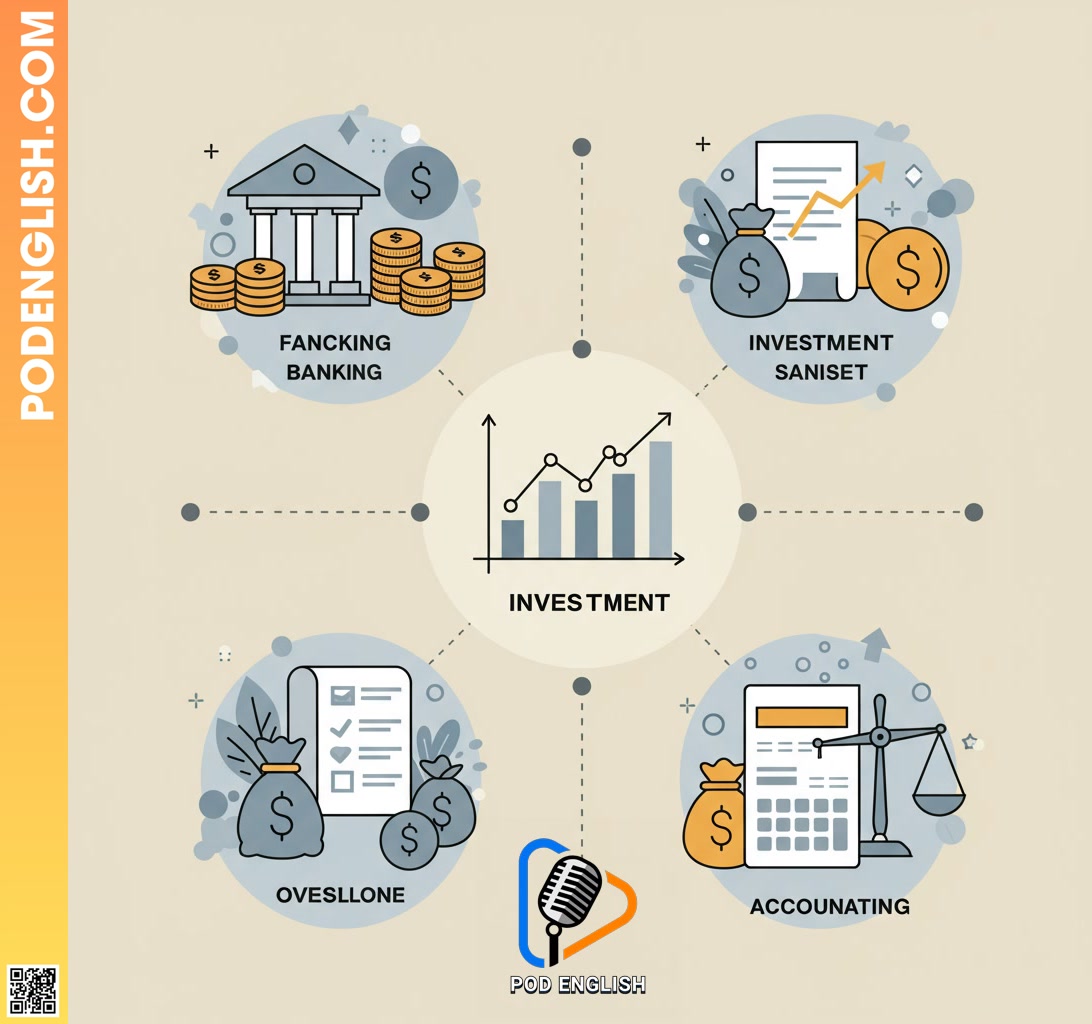
Section 3: Key Terminology Across Finance Sectors (Banking, Investment, Accounting)
Building on the fundamental English vocabulary for finance, this section delves into the specialized language used across key financial sectors: banking, investment, and accounting. While general terms are important, each sector possesses its own unique set of keywords that are essential for effective communication within that field. In banking, you'll encounter terms like 'interest rate', 'loan', and 'deposit'. The investment world uses terms such as 'stock', 'bond', 'portfolio', and 'dividend'. Accounting relies on concepts like 'assets', 'liabilities', 'equity', 'balance sheet', and 'income statement'. Mastering these sector-specific terms is crucial for clear communication, understanding financial documents, and succeeding within these distinct areas of the finance industry. Learning these terms is a vital step in developing your English proficiency for professional financial contexts.
Section 4: Mastering Context: Using Finance Terms in Professional Communication
Moving beyond simply knowing definitions, mastering finance terminology requires understanding how to use these terms effectively and appropriately within professional communication contexts. This involves recognizing the specific nuances of words in different financial situations—whether discussing investments, accounting practices, or banking operations. Using terms accurately in emails, reports, presentations, and meetings is crucial for clarity, credibility, and avoiding misunderstandings. Professional success in finance often hinges on your ability not just to comprehend complex concepts, but to articulate them precisely using the correct industry language, adapting your vocabulary and tone to suit your audience and the specific professional setting.

Section 5: Effective Strategies for Learning and Retaining Finance English
Building upon the foundation of understanding definitions and usage, effective learning and retention of finance English terminology requires active engagement. Instead of passive reading, try creating flashcards with terms and definitions, or better yet, example sentences showing the word in a financial context. Regular practice through speaking and writing, perhaps by discussing financial news or hypothetical scenarios, solidifies understanding and recall. Techniques like spaced repetition, where you review terms at increasing intervals, are highly effective for long-term memory. Furthermore, immersing yourself in authentic finance content, such as industry reports, articles, or podcasts, helps you encounter terms naturally and see how they are used in real-world communication. Consistent effort and varied learning methods are key to mastering this specialized vocabulary.

Section 6: Continuous Learning: Staying Updated with Evolving Finance Language
Following active learning methods is crucial, but mastering finance English also demands continuous effort because the financial landscape is constantly evolving. New regulations, technologies, and market trends introduce new terminology and shift the meaning of existing terms. To stay proficient, learners must actively seek out current information. This involves regularly reading financial news publications, following reputable finance experts and analysts, utilizing online resources and platforms dedicated to financial education, and possibly participating in relevant webinars or courses. Embracing continuous learning ensures your English vocabulary remains relevant and accurate, enabling you to navigate discussions and materials in the dynamic world of finance effectively. This ongoing process is key to long-term success in the field.

Video Youtube
Thảo luận
Related news
- Unlock Faster English Learning with Physical Activity Breaks (21:59:06 - 21/12/2025)
- Boost Your English Memory and Focus by Snacking on Nuts (21:59:01 - 21/12/2025)
- Boost Your English Learning Focus with Green Tea (21:58:56 - 21/12/2025)
- Boost Your Brain Essential Vitamins for Learning English (21:58:51 - 21/12/2025)
- Unlock English Learning with Modern Technology (21:58:42 - 21/12/2025)
- How Great Teachers Transform English Learning Experiences (21:58:38 - 21/12/2025)
- Study Abroad: Boost English Skills and Broaden Education (21:58:33 - 21/12/2025)
- STEM Education Fuels Global Innovation (21:58:28 - 21/12/2025)
- Sports Build Discipline Teamwork and Boost English Skills (21:58:23 - 21/12/2025)
- Boost Mental Health Learn English With Social Connections (21:58:18 - 21/12/2025)
You might be interested




LEARNING TIP
- Boost Your English Memory
- Diet Secrets for English Learners
- Walking Boosts Memory
- Master Effective Study Habits
- Sharpen Your Mind
- Fuel Your English Study
- How to Stay Motivated to Study English

- Learn English: Speak Like a Native
- Level Up Your English
- Learn English the Fun Way
- Improve Your English Voca and Wri
- Learn English: Unlock Your Voice
- 10 Smart Daily Tips - Improve English
- Transform Your English Skills
- Daily English Warm-Ups
Customer Reviews
Ms. Mai Anh- Vietnamese
 It's very easy to understand.

Vietnamese
Ms.Thi- Housewife
I feel better

Housewife
Ms. Visvamuthu- India
I'm here to learn English every day.

India